Happy Panda Backgrounds: Instantly Elevate Your Digital Designs
In the fast-paced world of digital design, where deadlines loom and creative blocks can stall a project for days, having a reliable library of high-quality assets is non-negotiable. Whether you are a seasoned graphic designer, a marketing manager crafting a new campaign, or a small business owner building an online presence, the foundation of your visual content matters. This is where the concept of digital paper backgrounds becomes a game-changer. Specifically, a collection like Happy Panda Backgrounds offers a unique blend of thematic charm and professional utility, providing designers with immediate access to textures and motifs that can transform a flat canvas into a visually engaging experience.
Understanding the Value of Digital Paper Backgrounds
Digital paper backgrounds are essentially high-resolution images designed to serve as the backdrop for various creative projects. They are not merely flat colors or generic gradients; they are intricate compositions featuring abstract designs, floral patterns, geometric shapes, and seasonal themes. For the modern creative professional, these assets are essential for maintaining a high standard of visual output. Instead of spending hours manually painting textures or sourcing expensive physical paper for scanning, designers can utilize instant download files to achieve the same depth and character. The versatility of these backgrounds allows them to be integrated seamlessly into invitations, greeting cards, scrapbooking layouts, website designs, and social media graphics, making them a cornerstone of efficient digital workflow.
The Visual Character and Appeal of the Collection
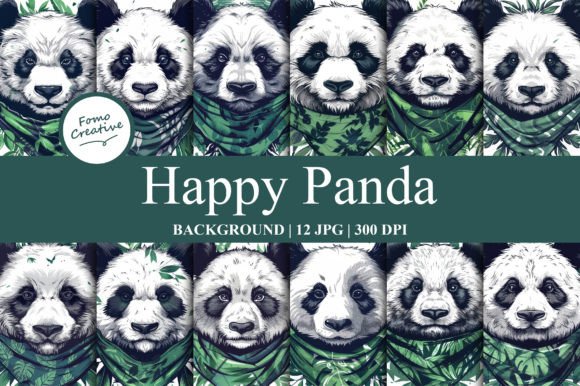
When we look at a specific asset like the Happy Panda Backgrounds collection, we are looking at more than just a set of images; we are looking at a specific mood and personality. This collection is defined by its whimsical yet professional aesthetic. The motifs often balance playful elements with sophisticated color palettes, ensuring that the designs remain suitable for a wide range of audiences, from children’s products to lifestyle branding. The "panda" theme suggests a natural, perhaps monochromatic or nature-inspired vibe, which translates well into designs that need to feel organic, friendly, and approachable.
The visual texture of these backgrounds plays a critical role in how a final design is perceived. A flat, digital-only world can sometimes feel sterile. By incorporating a textured background from a collection like Happy Panda Backgrounds, you introduce tactile quality. This creates visual hierarchy, allowing foreground elements—such as typography in a logo design or a call-to-action button on a website—to pop against a rich, detailed backdrop. The personality of the background sets the stage for the content it supports, influencing whether a brand feels modern, vintage, playful, or serious.
Practical Applications Across Industries
The utility of a high-quality background pack extends across numerous sectors. For graphic designers and freelancers, these assets are time-savers. When a client requests a quick turnaround for a social media post or a flyer, having a library of Happy Panda Backgrounds ready to go eliminates the need to build textures from scratch. For marketers, consistency is key. Using a cohesive set of backgrounds ensures that all campaign materials—from email headers to digital ads—share a unified visual language, strengthening brand recognition.
For crafters and hobbyists, the value lies in the "instant download" nature of the product. Physical scrapbooking enthusiasts can print these backgrounds on cardstock to create unique physical layouts, while digital journalers can import them directly into apps like GoodNotes or Procreate. Small business owners, particularly those in e-commerce, can use these backgrounds to stage product photos. A busy, patterned background might distract from a product, but a subtle texture from the Happy Panda Backgrounds set can add depth to a flat lay photo without overwhelming the subject. Similarly, bloggers and content creators can use them to break up long blocks of text, creating visual breathing room that keeps readers engaged.
Technical Specifications and Design Considerations
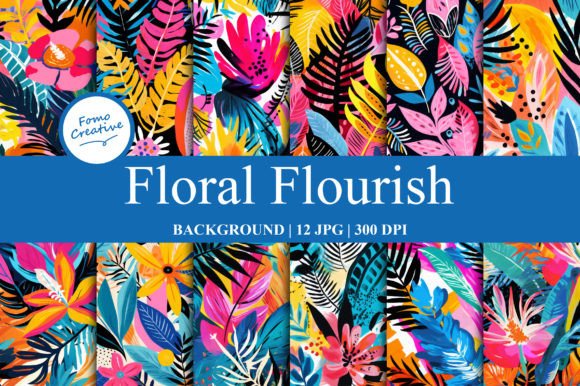
Professionalism in design is often dictated by the technical quality of the assets used. The Happy Panda Backgrounds collection is delivered as 12 JPG files, a universally compatible format that works across virtually all design software, from Adobe Photoshop and Illustrator to Canva and InDesign. The resolution is a critical factor here: 300 DPI (dots per inch). This is the industry standard for high-quality print production. While web design often operates at 72 DPI, print materials—such as brochures, business cards, and wedding invitations—require 300 DPI to ensure that lines are sharp and textures are crisp, not pixelated.
It is important to note the nature of the digital product. As there are no physical items shipped, the workflow is entirely digital. The files provided are identical to the preview images but stripped of any watermarks or logos, ensuring a clean canvas for your work. However, a professional designer always accounts for color calibration. Colors may vary slightly across different monitors and printers due to hardware settings. It is a best practice to test print a small section of a background before committing to a large print run, especially for brand-critical projects where color accuracy is paramount.
Integrating Backgrounds into Your Brand Identity
A background is not just decoration; it is a component of your brand identity. When selecting assets like the Happy Panda Backgrounds, consider how they align with your brand’s voice. If your brand strategy leans towards being approachable, eco-friendly, or whimsical, a nature-themed or textured background reinforces that message. Conversely, using a chaotic, loud background for a luxury financial brand might send mixed signals.
Think about how the background interacts with your typography. If you are using a bold, display font for a headline, a busy background might compete for attention. In such cases, applying a slight blur to the background or overlaying a semi-transparent color block can help maintain readability. Conversely, if your text is delicate, a textured background from the Happy Panda Backgrounds pack can provide the necessary visual weight to ground the design. This interplay between foreground and background is a fundamental principle of visual hierarchy.
Maximizing Versatility: Tips for Designers and Creators
To get the most out of a digital asset pack, you need to think beyond the obvious. Here are a few practical ways to leverage the Happy Panda Backgrounds collection:
- Layering and Masking: Don't just use the whole image. In Photoshop, use masks to reveal the background only through text shapes or geometric cutouts. This creates a sophisticated, integrated look for social media graphics or packaging design.
- Color Grading: Even if the original background doesn't match your brand colors perfectly, you can adjust the Hue/Saturation or use Color Overlay blend modes to tint the background to fit your specific palette while keeping the texture.
- Web Design Accents: In web design, large background images can slow down load times. However, you can use cropped sections of the Happy Panda Backgrounds as small repeating tiles or section dividers to add flair without impacting performance significantly.
- Mockup Staging: If you are selling a digital product, use the background to create a mockup. For example, place a screenshot of your ebook or planner on top of the background to give it a tangible, real-world feel.
Ultimately, the goal of using assets like Happy Panda Backgrounds